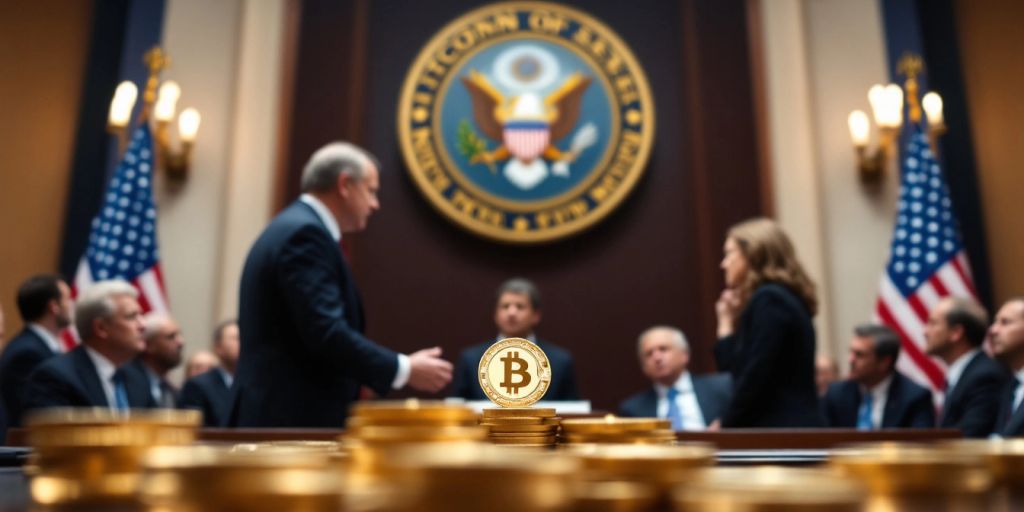
In a bold move to integrate cryptocurrency into the U.S. financial system, Senator Cynthia Lummis (R-WY) has introduced a proposal for a strategic Bitcoin reserve. This initiative aims to purchase one million Bitcoins over five years, positioning the digital asset as a cornerstone of U.S. monetary policy and potentially reducing national debt.
Key Takeaways
-
Senator Lummis proposes a strategic reserve of one million Bitcoins, approximately 5% of the total supply.
-
The initiative aims to bolster the U.S. dollar's global standing and combat inflation.
-
Funding for the Bitcoin reserve would involve revaluing the Federal Reserve's gold certificates.
-
The bill includes provisions for a decentralized network of secure vaults to store the Bitcoin.
The Proposal Explained
Senator Lummis unveiled her proposal during the Nashville Bitcoin 2024 conference, emphasizing the need for the U.S. to adapt to the evolving financial landscape. The proposed legislation, known as the "BITCOIN Act of 2024," outlines a plan for the federal government to acquire 200,000 Bitcoins annually for five years, culminating in a total reserve of one million Bitcoins.
Lummis argues that this strategic reserve will not only enhance the U.S. dollar's position as the world's reserve currency but also provide a hedge against inflation. She stated, "Establishing a strategic Bitcoin reserve would firmly secure the dollar’s position as the world’s reserve currency into the 21st century."
Funding Mechanism
The funding for this ambitious plan is set to come from revaluing the Federal Reserve's gold certificates. Currently, the Fed values its gold at approximately $42.22 per ounce, while the market price is around $2,500 per ounce. By adjusting this valuation, the Treasury could generate significant capital to finance the Bitcoin purchases.
-
Current Gold Valuation: $11 billion
-
Market Value of Gold: Approximately $640 billion
-
Potential New Capital for Bitcoin: $629 billion
Security Measures
To ensure the safety of the Bitcoin reserve, the bill proposes the establishment of a decentralized network of secure vaults operated by the Department of Treasury. This network would implement stringent cybersecurity and physical security measures to protect the digital assets from theft or loss.
Political Landscape
While the proposal has garnered attention, it faces skepticism from various political and economic circles. Critics argue that investing taxpayer dollars in Bitcoin could be risky, given the cryptocurrency's notorious volatility. Additionally, the proposal requires significant legislative support, which may be challenging in the current political climate.
Despite the hurdles, Lummis remains optimistic, stating that the initiative could pave the way for a more financially sovereign America. Former President Donald Trump has also expressed support for the idea, suggesting that a Bitcoin reserve could enhance the U.S.'s financial standing globally.
Conclusion
Senator Lummis's proposal for a strategic Bitcoin reserve marks a significant step towards integrating cryptocurrency into mainstream financial policy. As the U.S. navigates the complexities of digital assets, this initiative could redefine the future of the dollar and the nation's economic strategy. The coming months will be crucial in determining whether this bold vision can gain the necessary traction in Congress and beyond.