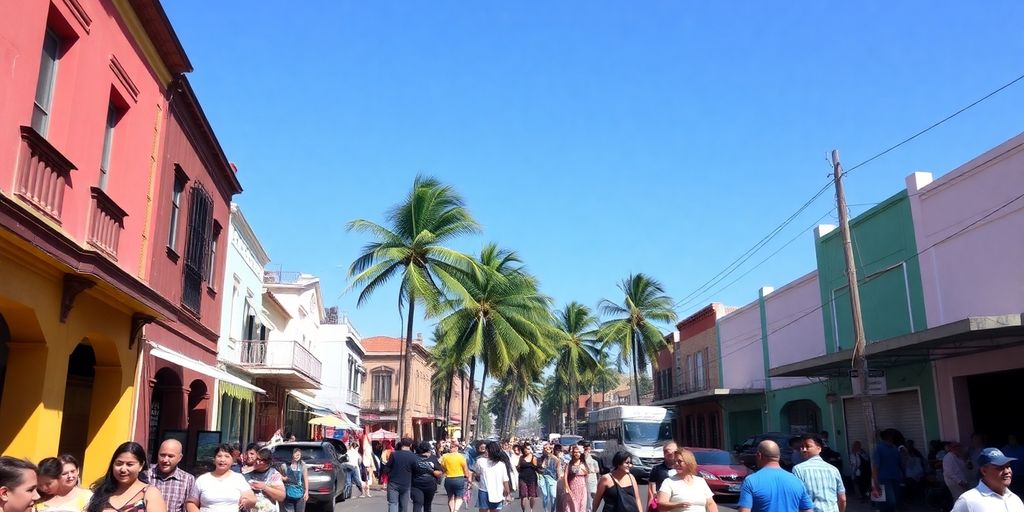
El Salvador has reached a significant agreement with the International Monetary Fund (IMF) to secure a $1.4 billion loan, which will see the country make Bitcoin payments voluntary and reduce government involvement in cryptocurrency initiatives. This decision marks a pivotal shift in the nation’s approach to Bitcoin, which was adopted as legal tender in 2021.
Key Takeaways
-
El Salvador will make Bitcoin acceptance voluntary for merchants.
-
The government will unwind its involvement in the Chivo wallet, a state-backed cryptocurrency platform.
-
The IMF loan aims to improve the country’s debt-to-GDP ratio over the next 40 months.
-
Public sector engagement in Bitcoin-related activities will be limited.
-
Taxes will be paid exclusively in U.S. dollars, the official currency of El Salvador.
Background of the Agreement
The IMF announced on December 18 that El Salvador will receive $1.4 billion over the next 40 months as part of a broader strategy to enhance fiscal sustainability and reduce the country’s debt burden. This agreement comes after four years of negotiations, during which the IMF expressed concerns about the risks associated with Bitcoin as a legal tender.
Changes to Bitcoin Policy
Under the new agreement, the Salvadoran government has committed to several key changes regarding Bitcoin:
-
Voluntary Acceptance: Merchant acceptance of Bitcoin will no longer be mandatory, allowing businesses to choose whether to accept the cryptocurrency.
-
Limited Public Sector Involvement: The government’s participation in Bitcoin-related economic activities will be confined, reducing the risks associated with state-backed cryptocurrency initiatives.
-
Chivo Wallet Rollback: The government will gradually unwind its involvement in the Chivo wallet, which has seen limited usage since its launch.
-
Tax Regulations: All taxes will be required to be paid in U.S. dollars, eliminating the option to use Bitcoin for tax payments.
Implications for El Salvador
This agreement is expected to reshape El Salvador’s economic landscape, particularly in relation to its controversial Bitcoin policy. The IMF has long urged the government to reconsider its stance on Bitcoin, citing the speculative nature of the cryptocurrency as a potential risk to the nation’s financial stability.
Despite the government’s commitment to continue accumulating Bitcoin, with plans to buy one Bitcoin daily, public sentiment appears to be shifting. Recent surveys indicate that a significant majority of Salvadorans—92%—do not engage in Bitcoin transactions, a figure that has increased from previous years.
Reactions to the Agreement
The response to the IMF’s announcement has been mixed. Max Keiser, an advisor to President Nayib Bukele, criticized the IMF, labeling the agreement as bureaucratic and meaningless. He asserted that Bitcoin usage in El Salvador has always been voluntary and continues to grow, despite survey results indicating otherwise.
As El Salvador navigates this new chapter in its economic policy, the implications of the IMF loan and the shift in Bitcoin strategy will be closely monitored by both local and international observers. The agreement not only aims to stabilize the country’s economy but also reflects a broader trend of reevaluating cryptocurrency’s role in national financial systems.
Sources
-
El Salvador makes Bitcoin payments voluntary in $1.4B IMF loan deal, Cointelegraph.
-
El Salvador makes Bitcoin payments voluntary in $1.4B IMF loan deal - PANews, PANews.
-
IMF reaches new $1.4B loan agreement with El Salvador, Inquirer.net.
-
El Salvador Limits Bitcoin Use in $1.4B IMF Agreement Amid Debt Reduction Goals - TokenPost, www.tokenpost.com.