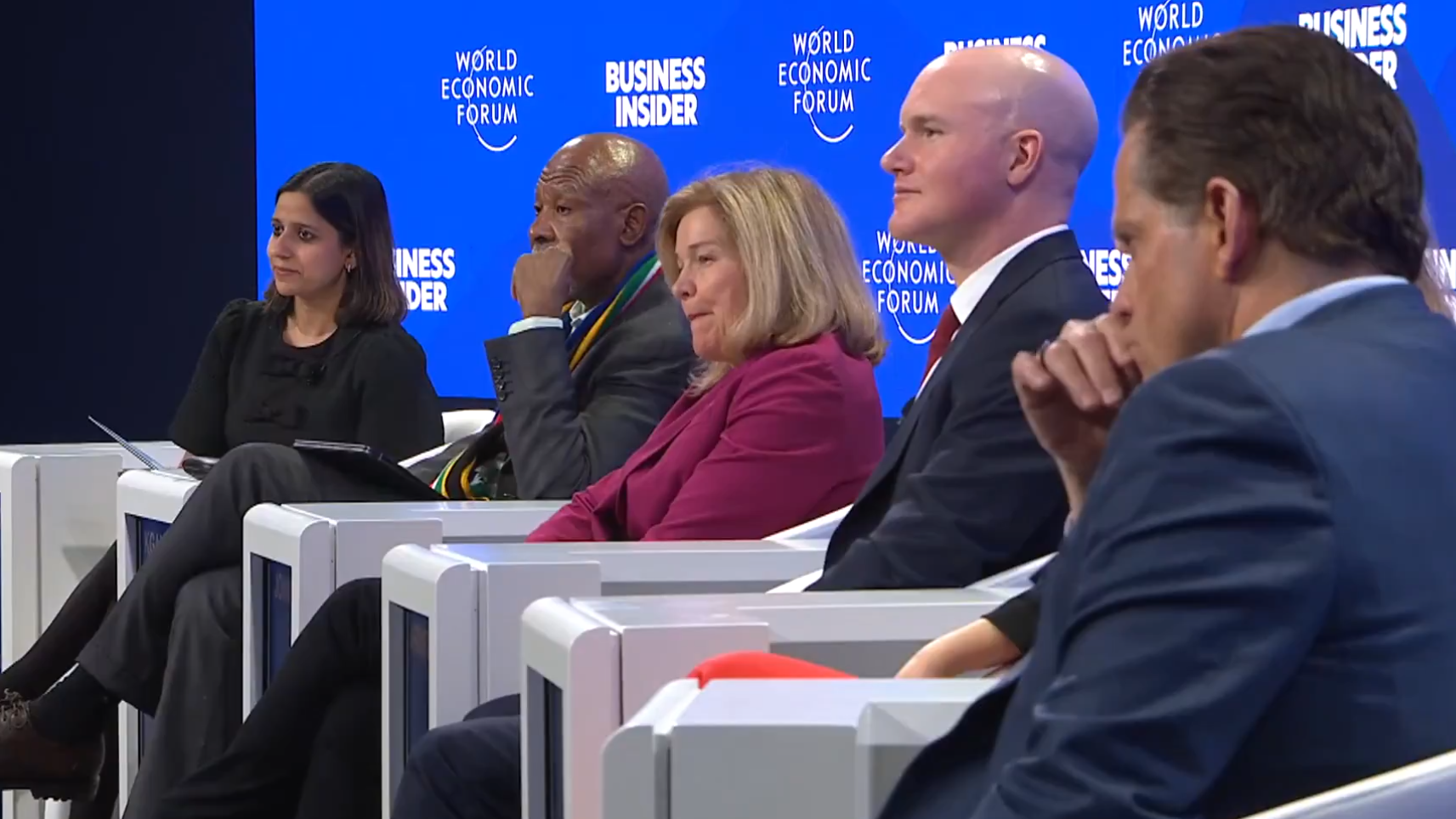
The recent World Economic Forum in Davos, Switzerland, ignited a heated discussion surrounding the proposal for a US Bitcoin strategic reserve. With the return of Donald Trump to the Oval Office, optimism surged regarding Bitcoin's future in the US, despite the ongoing memecoin frenzy.
Key Takeaways
-
The proposal for a US Bitcoin strategic reserve was a focal point at the WEF.
-
Coinbase CEO Brian Armstrong supports the initiative, emphasizing Bitcoin's value as a reserve asset.
-
Critics, including central bankers, question the practicality of holding Bitcoin as a reserve.
-
The political landscape in the US is shifting, with the cryptocurrency industry gaining momentum under Trump's leadership.
Bitcoin's Role in the US Economy
During the WEF's sole cryptocurrency-themed session, industry leaders expressed a positive outlook for Bitcoin's role in the US economy. Brian Armstrong, CEO of Coinbase, highlighted the potential for the US government to hold Bitcoin as part of its reserves, similar to how it currently holds gold and other assets. He stated:
"Many governments hold gold, but I think they should hold Bitcoin because it is essentially the new gold standard."
Armstrong's comments reflect a growing belief among some in the cryptocurrency community that Bitcoin could serve as a more effective store of value than traditional assets.
Central Bankers' Concerns
Not everyone is on board with the idea of a Bitcoin reserve. Lesetja Kganyago, the governor of the South African Reserve Bank, raised concerns about the practicality of such a move. He questioned why Bitcoin should be prioritized over other valuable resources, stating:
"If we now use Bitcoin, what about platinum, what about coal? Why don’t we hold strategic beef reserves, mutton reserves, or apple reserves?"
Kganyago's skepticism highlights the ongoing debate about Bitcoin's legitimacy as a reserve asset compared to traditional commodities.
Political Influence on Cryptocurrency
The session also delved into the political dynamics affecting the cryptocurrency industry in the US. Anthony Scaramucci, founder of SkyBridge Capital, criticized the Democratic Party for failing to engage meaningfully with the cryptocurrency sector. He noted:
"If you were on the side of the Democrats trying to support them, I was astonished at their reluctance to understand what was actually going on."
As the political landscape shifts with Trump's return, many in the industry are hopeful for a more favorable regulatory environment that could foster growth and innovation.
The Future of Bitcoin Reserves
Armstrong concluded the session by emphasizing the potential for Bitcoin to become a significant part of central bank reserves. He suggested that while it may start as a small percentage, it could eventually equal or surpass gold holdings. He stated:
"It might start with being 1% of their reserves, but I think over time it will come to be equal to or greater than gold reserves."
This perspective underscores the growing acceptance of Bitcoin as a legitimate asset class, capable of playing a crucial role in the future of global finance.
As discussions continue, the idea of a US Bitcoin strategic reserve remains a contentious topic, reflecting broader debates about the future of cryptocurrency in the global economy.
Sources
-
US Bitcoin reserve idea sparks Davos debate on crypto’s future, Cointelegraph.