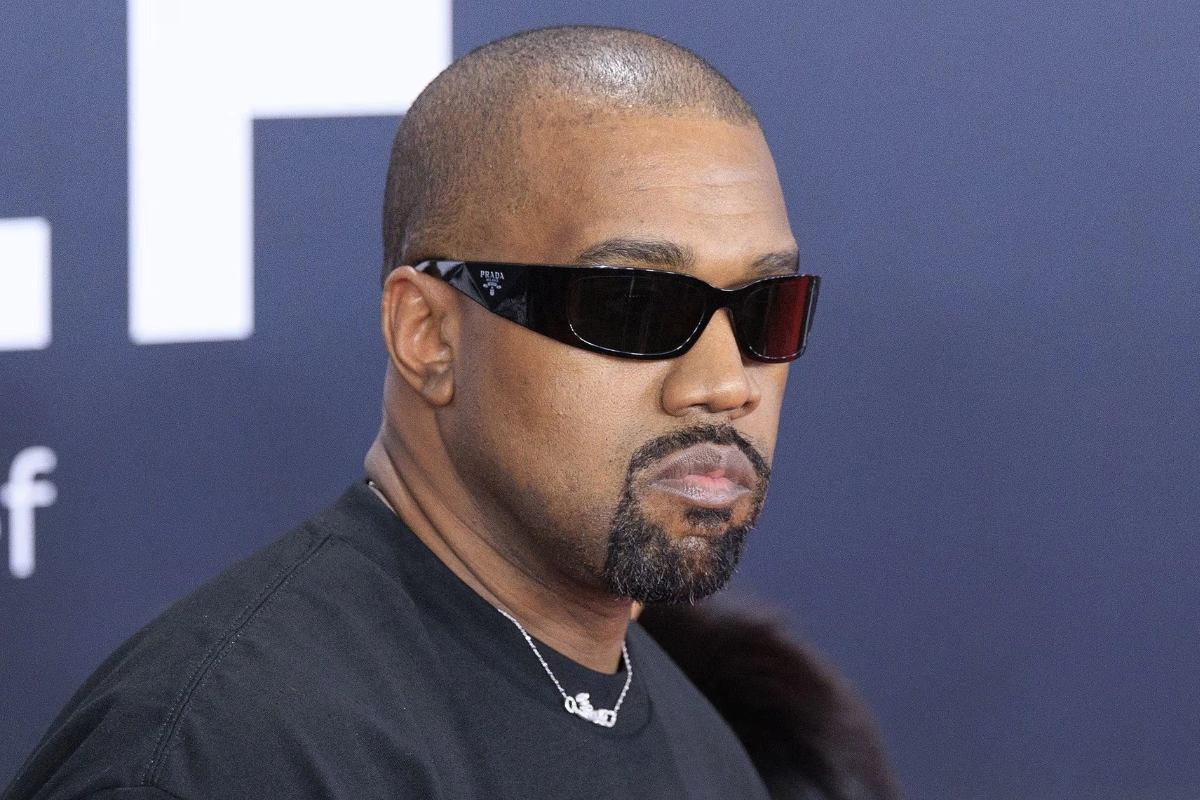
In a surprising turn of events, Kanye West, now known as Ye, has publicly rejected a lucrative offer of $2 million to promote a cryptocurrency project that has been labeled a scam. This decision highlights the ongoing issues within the cryptocurrency space, where scams and fraudulent schemes are increasingly prevalent.
Key Takeaways
-
Kanye West declined a $2 million offer for promoting a crypto project.
-
The project has been identified as a scam by various sources.
-
Ye's decision reflects a growing awareness of the risks associated with cryptocurrency promotions.
The Offer and Its Rejection
Recently, Ye was approached with a proposal to endorse a cryptocurrency project that promised significant returns. The offer, amounting to $2 million, was enticing, especially given the artist's influence in the entertainment industry. However, upon further investigation, it became clear that the project was not legitimate.
Ye's team conducted due diligence and discovered that the cryptocurrency in question had been flagged by multiple watchdog organizations as a scam. This prompted the artist to reject the offer outright, emphasizing his commitment to integrity and authenticity in his endorsements.
Source: Ye/Kanye West
The Cryptocurrency Landscape
The cryptocurrency market has been marred by numerous scams and fraudulent activities, leading to significant financial losses for investors. Here are some key points regarding the current state of the crypto landscape:
-
Increased Scams: Reports indicate a rise in scams, with many projects promising unrealistic returns.
-
Regulatory Scrutiny: Governments and regulatory bodies are intensifying their scrutiny of cryptocurrency projects to protect investors.
-
Public Awareness: There is a growing awareness among celebrities and influencers about the risks of promoting dubious projects.
Ye's Influence and Responsibility
As a prominent figure in the music and fashion industries, Ye's decisions carry weight. His rejection of the scam promotion serves as a reminder to other influencers about the importance of vetting projects before endorsing them. The potential for financial gain must be balanced with ethical considerations and the responsibility to protect fans and followers from scams.