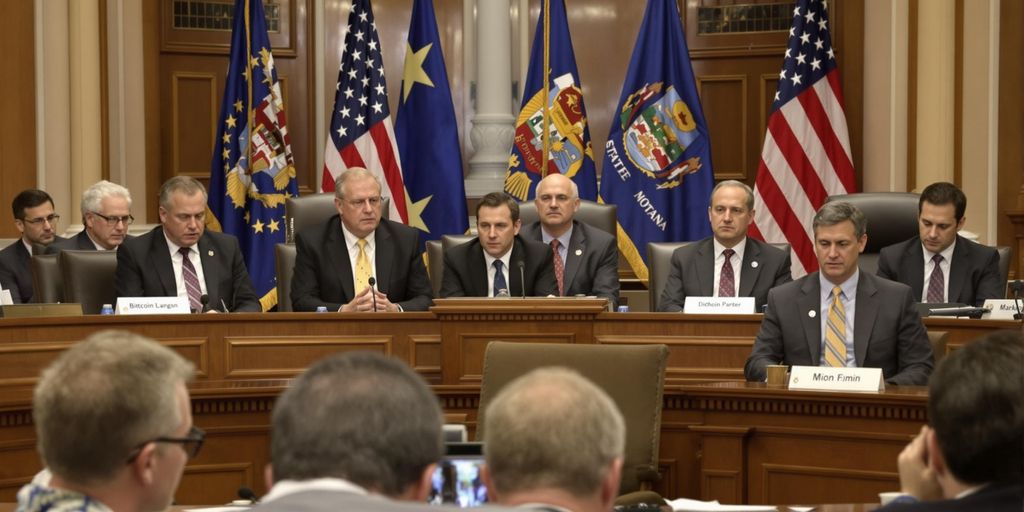
In a significant decision, Montana's House of Representatives voted against a proposed Bitcoin reserve bill on February 22, 2025. The bill aimed to designate Bitcoin as a state reserve asset, but concerns over the risks associated with such investments led to its rejection by a vote of 41-59.
Key Takeaways
-
The Montana House voted 41-59 against House Bill No. 429, which sought to make Bitcoin a state reserve asset.
-
Lawmakers expressed concerns about the potential risks of investing taxpayer money in cryptocurrencies.
-
The bill proposed creating a special fund for investing in digital assets, precious metals, and stablecoins.
-
Only Bitcoin met the criteria of having a market cap above $750 billion over the past year.
-
Supporters argued that the bill could enhance returns on taxpayer investments.
Overview Of The Bill
House Bill No. 429 was introduced with the intention of allowing Montana's investment board to diversify its portfolio by including Bitcoin among other assets. The bill proposed the establishment of a special revenue account for investments in precious metals, stablecoins, and digital assets, with a specific focus on those that have maintained a market cap above $750 billion over the previous year. Currently, only Bitcoin meets this criterion.
Concerns Raised By Lawmakers
During the debate, several lawmakers voiced their apprehensions regarding the bill. State Representative Steven Kelly emphasized the need to protect taxpayer money, stating, "These types of investments are way too risky." Other representatives echoed similar sentiments, with Representative Bill Mercer expressing his disapproval of allowing the investment board to engage in cryptocurrency investments, labeling it as speculative.
Support For The Bill
Despite the opposition, some lawmakers advocated for the bill, arguing that it could provide better returns for taxpayers. Representative Lee Demming highlighted the importance of maximizing returns on taxpayer money, suggesting that the state should explore innovative investment opportunities. Bill sponsor Curtis Schomer warned that sticking to traditional bonds would result in a loss of purchasing power for the state’s investment board.
Future Implications
The rejection of House Bill No. 429 marks a significant setback for proponents of cryptocurrency legislation in Montana. With the bill now effectively dead, any future attempts to establish a Bitcoin reserve will require reintroduction into the legislature. This decision comes amid a broader trend, as 24 states across the U.S. have considered similar Bitcoin reserve legislation, with many still active.
Conclusion
Montana's decision to reject the Bitcoin reserve bill reflects the ongoing debate surrounding the integration of cryptocurrencies into state financial strategies. As lawmakers continue to grapple with the implications of digital assets, the future of such legislation remains uncertain, with potential for re-evaluation in the coming sessions.