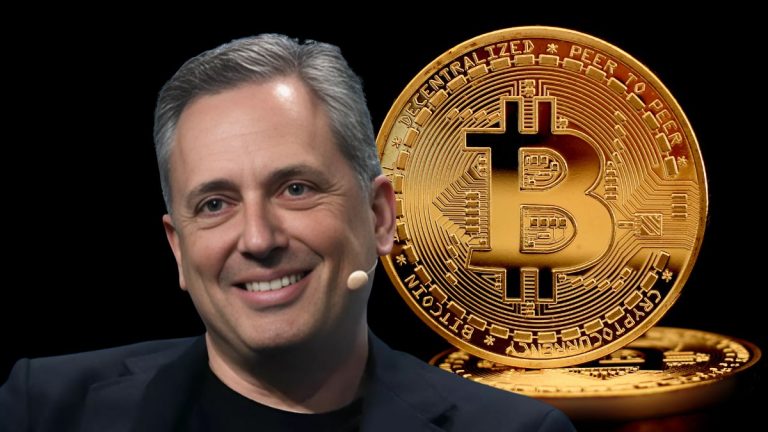
David Sacks, known as the crypto czar under former President Donald Trump, has publicly confirmed that he does not hold any cryptocurrency assets. This revelation comes as he disclosed that he sold all his crypto investments, including Bitcoin (BTC), Ethereum (ETH), and Solana (SOL), before the Trump administration began.
Key Takeaways
-
David Sacks sold all his cryptocurrency holdings before Trump’s inauguration.
-
His firm, Craft Ventures, retains stakes in several crypto startups but no direct crypto assets.
-
Sacks supports Trump’s vision of making the U.S. a leader in the crypto space.
Sacks' Crypto Holdings
In a recent post on social media, Sacks stated, "I sold all my cryptocurrency, including BTC, ETH, and SOL, prior to the start of the administration." This statement was made in response to a Financial Times article that suggested Craft Ventures, the venture capital firm he founded, still has investments in a few crypto startups.
Sacks' firm, established in 2017, has been active in the crypto space, investing in companies like Bitwise Asset Management and BitGo. However, he clarified that both he and his firm divested from direct cryptocurrency holdings shortly after Trump took office.
The Context of His Statement
Sacks' comments come at a time when the crypto market is experiencing significant fluctuations. Following Trump's announcement of a strategic crypto reserve, the market reacted positively, with many cryptocurrencies seeing a surge in value. Sacks expressed optimism about Trump's commitment to making the U.S. the "crypto capital of the world."
Upcoming Crypto Summit
On March 7, Trump is set to host the first White House Crypto Summit, where industry leaders will gather to discuss regulations, stablecoins, and the proposed U.S. crypto reserve. This summit aims to address the growing interest and investment in cryptocurrencies and their potential role in the U.S. economy.
Reactions from the Industry
The announcement of the strategic reserve has garnered mixed reactions. Eric Trump praised the timing of the announcement, stating it favored retail investors, while industry experts noted the irony of traditional finance being unable to participate due to outdated operational hours. This sentiment was echoed by Anthony Pompliano, who highlighted the need for traditional finance to adapt to the evolving landscape of cryptocurrency.
Conclusion
David Sacks' confirmation of his lack of cryptocurrency holdings raises questions about the future of crypto investments among influential figures in the industry. As the U.S. government takes steps to engage with the crypto market, the upcoming summit may provide further insights into the regulatory landscape and the potential for growth in this sector.