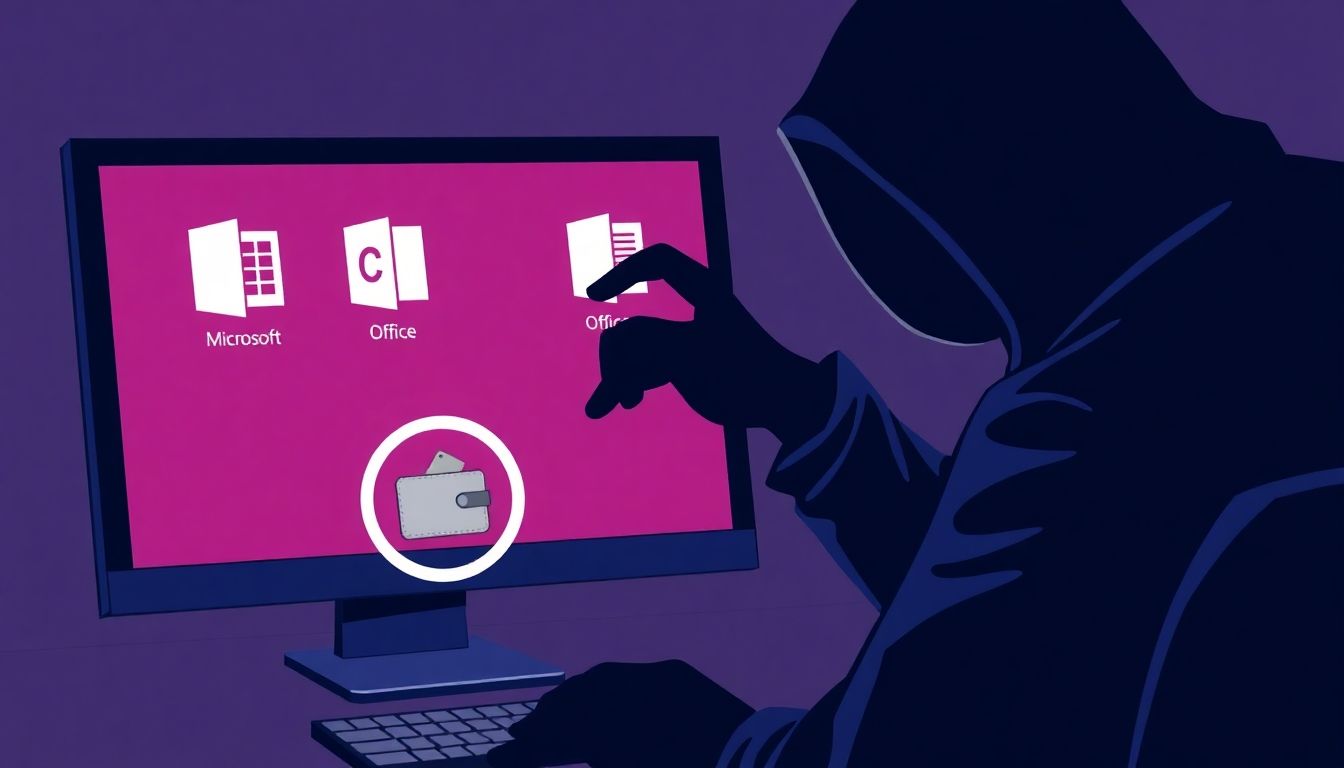
Malicious actors are exploiting Microsoft Office add-ins to distribute crypto-stealing malware, according to a recent report by cybersecurity firm Kaspersky. The malware, known as ClipBanker, is embedded in fake Office extensions uploaded to SourceForge, posing a significant threat to cryptocurrency users.
Kaspersky has detected malware on the SourceForge software hosting site: Kaspersky
Key Takeaways
-
Cybercriminals are using fake Microsoft Office add-ins to distribute malware.
-
The malware replaces copied cryptocurrency wallet addresses with the attacker's address.
-
Most victims are located in Russia, with over 4,600 users affected in recent months.
-
Users are advised to download software only from trusted sources to avoid infection.
The Nature of the Attack
The attack primarily targets cryptocurrency users by embedding malware in seemingly legitimate Microsoft Office add-ins. The malicious software, ClipBanker, operates by replacing a copied crypto wallet address on the user's clipboard with the attacker's address. This means that when victims attempt to send cryptocurrency, their funds could be redirected to the hackers instead.
Kaspersky's report highlights that users typically copy wallet addresses rather than typing them out, making this method particularly effective for the attackers. The fake project page on SourceForge mimics a legitimate developer tool, complete with download buttons and a design that can easily mislead users.
Infection Mechanism
The malware's infection chain includes several alarming features:
-
Data Exfiltration: Infected devices send sensitive information, such as IP addresses and usernames, to the hackers via Telegram.
-
Self-Deletion: The malware can scan for existing installations or antivirus software and delete itself to avoid detection.
-
Access Selling: Attackers may sell access to infected systems to other malicious actors, increasing the potential for further exploitation.
Target Demographics
Kaspersky's telemetry indicates that approximately 90% of potential victims are located in Russia. Between January and March, over 4,600 users encountered this scheme, suggesting a targeted approach towards Russian-speaking individuals. The interface of the malware is also in Russian, reinforcing this theory.
Recommendations for Users
To protect against such threats, Kaspersky recommends the following precautions:
-
Download Software from Trusted Sources: Always use official websites or reputable platforms to download software.
-
Be Wary of Small File Sizes: Legitimate Office applications are rarely small, so be cautious of unusually small downloads.
-
Avoid Pirated Software: Pirated programs often carry higher risks of malware infection.
Conclusion
As cybercriminals continue to evolve their tactics, the use of malware disguised as legitimate software poses a growing threat to cryptocurrency users. The recent findings by Kaspersky serve as a stark reminder of the importance of vigilance and caution when downloading software. Users must remain aware of the risks associated with unofficial downloads and take proactive steps to safeguard their digital assets.
Sources
This article was created with support from AI-driven technology, drawing on multiple reputable sources. The final content has been thoroughly reviewed and edited by BlockzHub's editorial team to ensure accuracy, clarity, and coherence. Original reporting sources are credited whenever appropriate and as required. The opinions expressed in this article do not necessarily represent the official views or positions of BlockzHub. This article is intended for informational purposes only and should not be considered financial or professional advice. Investing involves risk, and you should consult a qualified financial advisor before making any investment decisions.