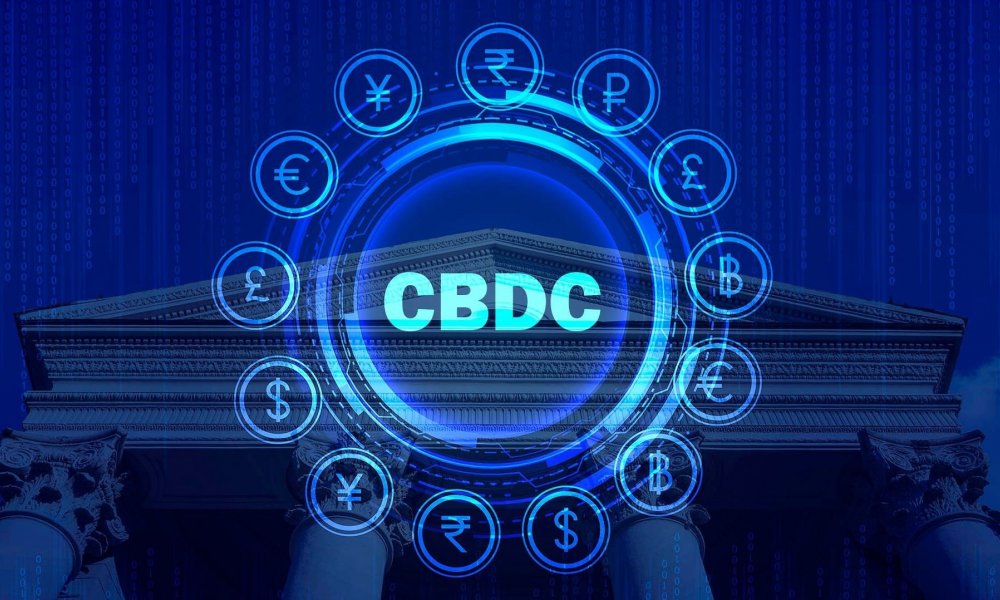
In a significant move towards modernizing its financial system, Belarus has announced plans to introduce a digital version of its national currency, the ruble, by the second half of 2026. This initiative, led by the National Bank of Belarus, aims to enhance the security and efficiency of financial transactions within the country and potentially in cross-border dealings.
Key Takeaways
-
The digital ruble will be fully operational by the second half of 2026.
-
Initially available to businesses and government entities, with broader access for citizens by 2027.
-
Emphasis on the security and traceability of digital transactions.
-
Collaboration with Russia on cross-border digital currency transactions.
Overview of the Digital Ruble Initiative
The Chairman of the National Bank of Belarus, Roman Golovchenko, confirmed that the digital ruble is a high priority for the bank. The project is designed to complement existing cash and non-cash payment systems rather than replace them. The digital ruble will be equivalent to the traditional ruble, with one digital ruble equal to one regular ruble.
Golovchenko highlighted the importance of ensuring the security of funds, referring to the concept of "traceability" of digital money. This feature will allow the government to monitor the flow of digital currency throughout the economy, which is crucial for maintaining financial stability and preventing illicit activities.
Implementation Timeline
The rollout of the digital ruble will occur in phases:
-
Second Half of 2026: The digital ruble will be available for use by businesses and government agencies.
-
2027: The digital currency will be accessible to individual citizens, expanding its use across the economy.
Key Objectives of the Digital Ruble
The National Bank has outlined several key objectives for the digital ruble project:
-
Platform Requirements: Establishing the technical specifications for the digital currency platform.
-
Domestic Software Development: Creating local software solutions to support the digital ruble's functionality.
-
Regulatory Framework: Developing a comprehensive legal framework to govern the use and regulation of the digital currency.
Cross-Border Transactions
Golovchenko also emphasized the potential for the digital ruble to facilitate cross-border transactions, particularly in collaboration with Russia, which is also developing its own digital currency. This cooperation aims to ensure that both currencies can interact seamlessly, allowing for efficient international trade and financial exchanges.
Global Context
The move to introduce a digital currency aligns Belarus with a growing trend among central banks worldwide. Currently, around 80% of central banks are exploring or implementing digital currencies, with countries like China and Nigeria already having launched their versions. Belarus aims to position itself as a leader in the region by being one of the first in the CIS to implement a fully operational digital currency.
As the project progresses, the National Bank of Belarus will continue to engage with stakeholders to ensure the successful implementation of the digital ruble, paving the way for a more secure and efficient financial future for the country.
Sources
-
Назван срок введения в Беларуси цифрового рубля, Smartpress.by.
-
В Беларуси назвали сроки ввода в оборот цифрового рубля, Bits Media.
-
Цифровой рубль планируют ввести в оборот в Беларуси во второй половине 2026 года, Минская правда.
-
Нацбанк Белоруссии анонсировал введение цифрового рубля в 2026 году, EADaily.
This article was created with support from AI-driven technology, drawing on multiple reputable sources. The final content has been thoroughly reviewed and edited by BlockzHub's editorial team to ensure accuracy, clarity, and coherence. Original reporting sources are credited whenever appropriate and as required. The opinions expressed in this article do not necessarily represent the official views or positions of BlockzHub. This article is intended for informational purposes only and should not be considered financial or professional advice. Investing involves risk, and you should consult a qualified financial advisor before making any investment decisions.