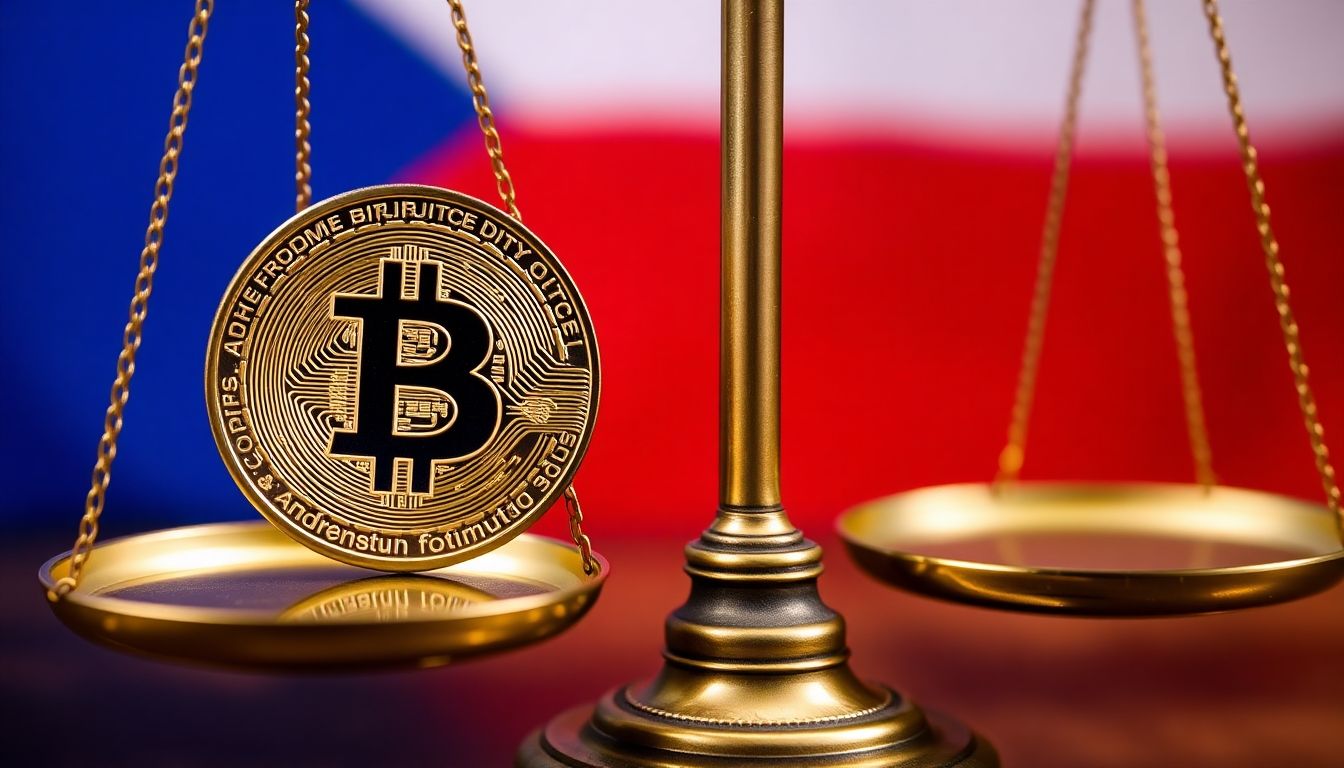
The Czech government is facing a significant political crisis following a scandal involving the opaque sale of $45 million worth of Bitcoin seized from a convicted criminal. This controversy has led to the resignation of the Justice Minister and a looming no-confidence vote, highlighting concerns over transparency and accountability in handling digital assets.
Key Takeaways
-
The Czech Justice Ministry sold approximately 500 Bitcoins, worth $45 million, seized from a convicted criminal.
-
The sale lacked transparency, leading to accusations of impropriety.
-
Justice Minister Pavel Blazek resigned amidst the controversy.
-
The opposition has initiated a no-confidence vote against the government.
-
The new Justice Minister, Eva Decroix, has promised an independent probe.
Bitcoin Sale Sparks Outcry
The scandal erupted after the Czech Justice Ministry revealed it had auctioned off nearly 500 Bitcoins, valued at approximately $45 million (1 billion Czech koruna). These digital assets were confiscated from Tomas Jirikovsky, an online drug dealer convicted in 2017 for drug trafficking, fraud, and illegal weapons possession. The sale, conducted without apparent involvement from police or prosecutors, has drawn sharp criticism from the opposition, who question the legality and transparency of the transaction.
Political Fallout and Resignation
The lack of transparency surrounding the Bitcoin sale quickly escalated into a political firestorm. Justice Minister Pavel Blazek, under immense pressure, resigned on May 30. While denying any wrongdoing, Blazek stated his decision was to protect the government's image ahead of the upcoming October elections. Eva Decroix has since been sworn in as the new Justice Minister and has pledged an independent investigation into the sale, promising full cooperation from the ministry.
Opposition Demands Accountability
The opposition ANO party, led by vice chair Alena Schillerova, has been vocal in its condemnation, calling the situation "unacceptable." They have filed a no-confidence motion, scheduled for Tuesday, demanding answers to critical questions:
-
Who authorized the sale of the Bitcoin?
-
Was the origin of the Bitcoin legally verified before the sale?
-
Did any party improperly benefit from the transaction?
Global Context of Crypto Scandals
The Czech Bitcoin scandal is not an isolated incident. Governments and political figures worldwide are grappling with the complexities and potential pitfalls of digital assets. For instance, Argentina's President Javier Milei faced scrutiny over a cryptocurrency he promoted, though he was later cleared of wrongdoing. Similarly, in the United States, President Donald Trump's crypto dealings have drawn criticism from Democratic lawmakers. These cases underscore the increasing need for clear regulations and transparent practices in the handling of cryptocurrencies by public entities.
Sources
-
Czech Opposition Pushes No-Confidence Vote Over $45M Bitcoin Deal Scandal, Coinpedia.
-
Czech Bitcoin Scandal Spirals Into No-Confidence Vote, Cointelegraph.
This article was created with support from AI-driven technology, drawing on multiple reputable sources. The final content has been thoroughly reviewed and edited by BlockzHub's editorial team to ensure accuracy, clarity, and coherence. Original reporting sources are credited whenever appropriate and as required. The opinions expressed in this article do not necessarily represent the official views or positions of BlockzHub. This article is intended for informational purposes only and should not be considered financial or professional advice. Investing involves risk, and you should consult a qualified financial advisor before making any investment decisions.