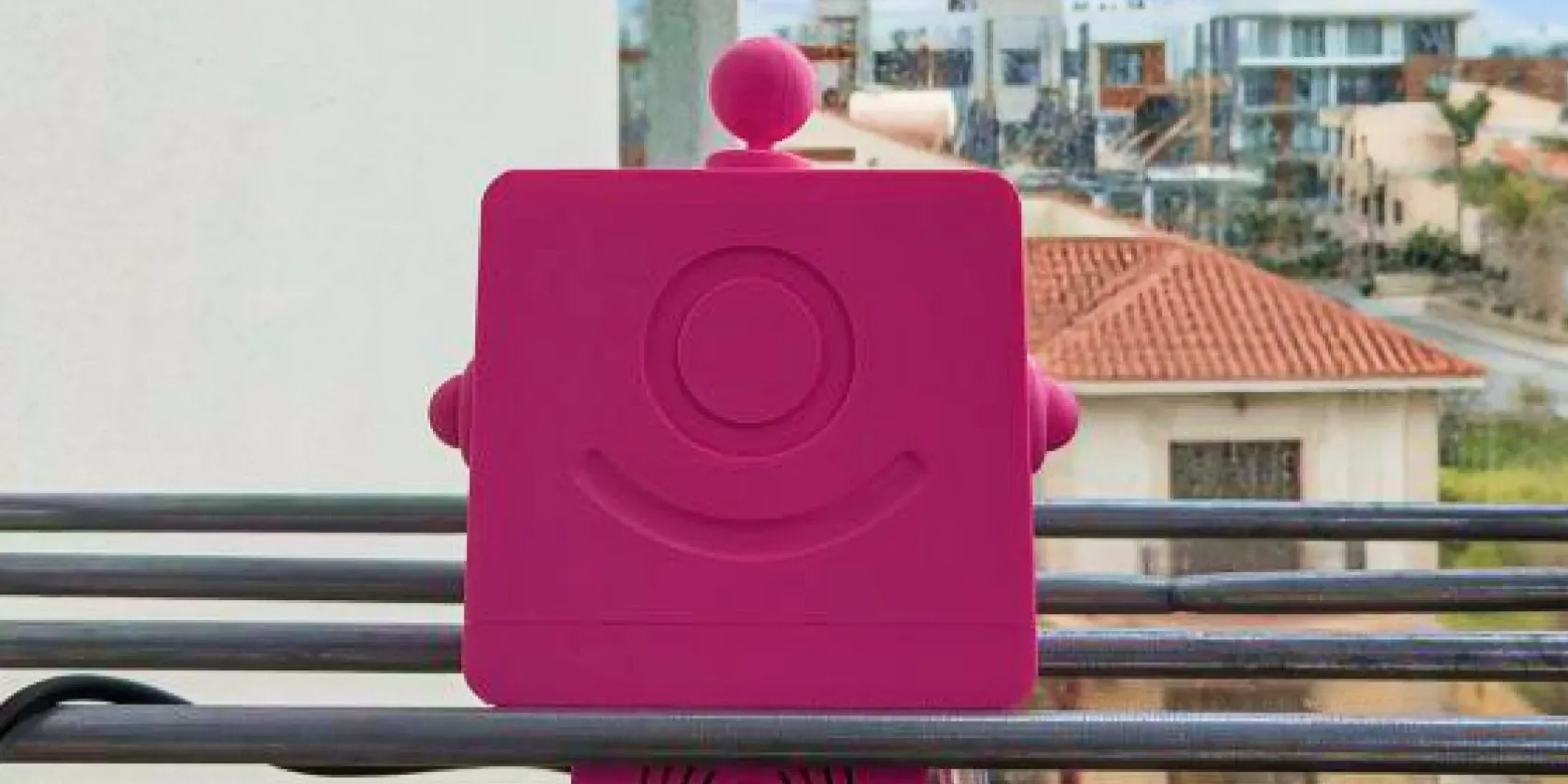
Web3 technology is being deployed on the renowned "hippie island" of Koh Phangan, Thailand, to address pressing environmental concerns. Robonomics has installed the first two Web3-connected air quality sensors, aiming to monitor pollution levels, particularly those linked to the island's famous Full Moon Parties and subsequent waste management practices. This initiative seeks to provide transparent, immutable data to improve local living conditions.
Key Takeaways
-
Decentralized Monitoring: The sensors upload data to decentralized storage, ensuring data integrity and accessibility.
-
Comprehensive Data Collection: Devices monitor noise, dust, humidity, pressure, and temperature.
-
Addressing Pollution: The project aims to quantify the environmental impact of waste incineration after large events.
-
Future Expansion: Robonomics plans to install three more sensors across the island to gather more comprehensive data.
Web3 Sensors Tackle Koh Phangan's Air Quality
Robonomics has initiated an innovative project on Koh Phangan, Thailand, by deploying Web3-enabled air quality sensors. These "Altruist" devices are designed to track various environmental parameters, including noise, dust, humidity, pressure, and temperature. The collected data is then uploaded to a decentralized storage system, ensuring transparency and immutability.
The Environmental Challenge of Full Moon Parties
Koh Phangan, often dubbed a "hippie island," is globally recognized for its monthly Full Moon Parties. However, these events generate significant amounts of waste, which is frequently incinerated on the island. This practice leads to substantial air pollution, blanketing the island in smog. Sergey Lonshakov, the project architect, expressed a keen interest in observing the correlation between the lunar calendar, the days immediately following Full Moon Parties, and an increase in airborne particulate matter.
How the Sensors Work
The open sensor network operates on a principle similar to how validators in Ethereum or Polkadot networks confirm new blocks. Anyone can transmit data from a sensor to a sensor map by copying the code and running their own relay nodes. Robonomics emphasizes individual device usage, aiming to create an open dataset for air quality, weather phenomena, and noise levels. This data is automatically logged onto their sensors.social map and recorded on Robonomics' public blockchain, built on Polkadot, making the data unalterable.
Device Cost and Data Legitimacy
The DevKit version of the "Altruist" outdoor monitor is currently priced at $100 and can be shipped worldwide, with approximately 90 such devices already in operation. Robonomics plans a crowdfunding campaign on IndieGoGo this summer for a certified indoor monitor, expected to cost between $200-$300, with an Amazon release slated for the fall.
While sensor installation does not require government approval, the data collected is not legally admissible in court. Lonshakov clarified that the sensors provide a "surface-level screening." If significant anomalies in particulate matter are detected, users are advised to contact professional monitoring services for in-depth air profiling. The sensors serve as a valuable tool for identifying optimal times for such detailed analyses.
Sources
This article was created with support from AI-driven technology, drawing on multiple reputable sources. The final content has been thoroughly reviewed and edited by BlockzHub's editorial team to ensure accuracy, clarity, and coherence. Original reporting sources are credited whenever appropriate and as required. The opinions expressed in this article do not necessarily represent the official views or positions of BlockzHub. This article is intended for informational purposes only and should not be considered financial or professional advice. Investing involves risk, and you should consult a qualified financial advisor before making any investment decisions.