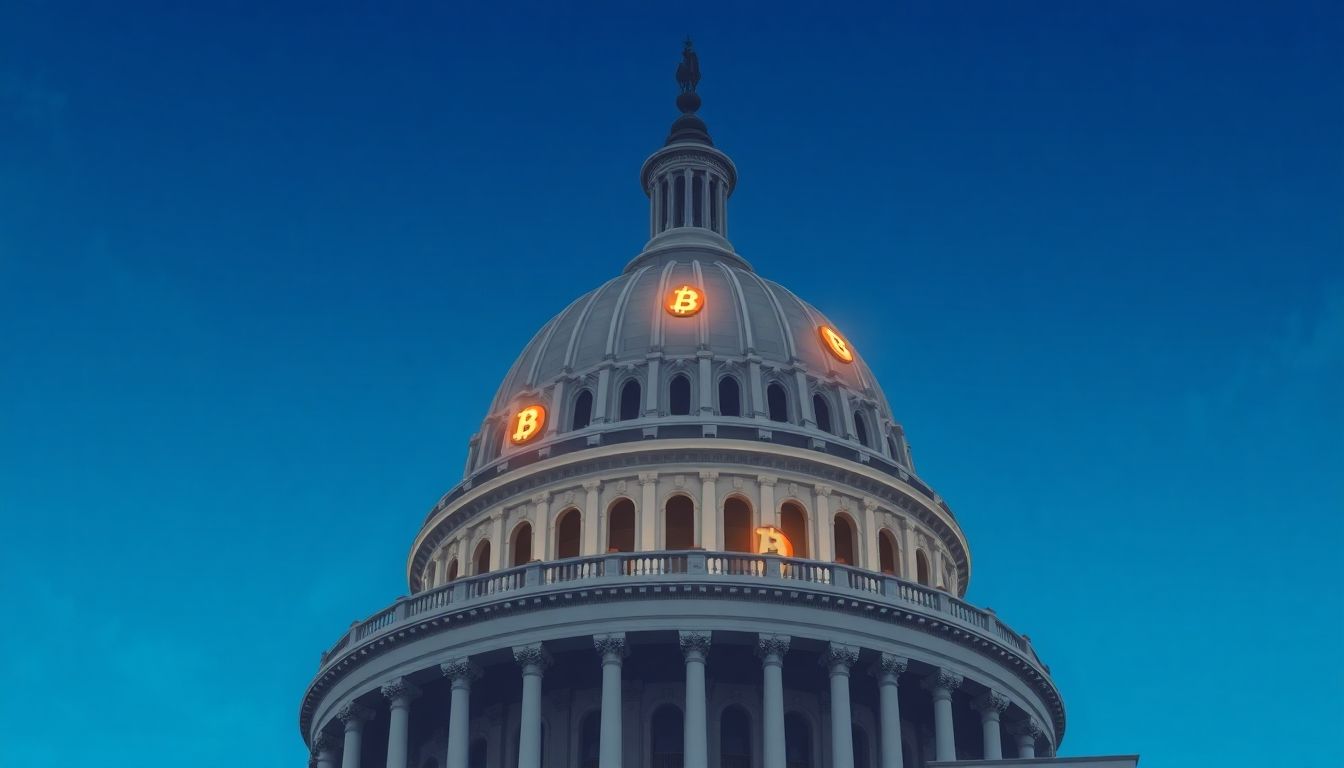
The U.S. Senate has narrowly passed a budget reconciliation bill championed by President Donald Trump. Despite intense debate and numerous proposed amendments, the final legislation notably omitted provisions related to cryptocurrency taxation, specifically addressing concerns raised by Senator Cynthia Lummis regarding the tax treatment of crypto miners and stakers. This outcome signals a continued, albeit delayed, legislative path for digital asset regulation.
Key Takeaways
-
The U.S. Senate passed President Trump's budget reconciliation bill with a narrow 50-50 vote, broken by Vice President JD Vance.
-
The bill faced strong opposition from Democrats and some Republicans due to concerns over healthcare cuts and tax policies.
-
Despite earlier indications, proposed amendments to address cryptocurrency taxation, particularly for miners and stakers, were not included in the final version of the bill.
-
Senator Cynthia Lummis, who advocated for crypto tax reform, acknowledged the bill's imperfections but viewed it as a step in the right direction.
-
The bill now moves to the U.S. House of Representatives for consideration of the Senate's amendments.
Senate Approves Trump's Budget Bill
On Tuesday, the U.S. Senate approved the "One Big Beautiful Bill Act" with a 50-50 tie-breaking vote cast by Vice President JD Vance. The bill, a key initiative of President Donald Trump, faced significant bipartisan criticism over proposed cuts to healthcare, concerns about artificial intelligence regulation, and wealth redistribution through tax cuts. All Democratic senators and three Republican senators voted against the legislation.
Omission of Crypto Tax Provisions
During the extensive debate, Senator Cynthia Lummis of Wyoming had indicated her intention to introduce an amendment to address what she described as "unfair tax treatment" for cryptocurrency miners and stakers.
However, these proposed changes were not included in the amendments brought to the Senate floor on Monday or Tuesday, and the final bill passed without any provisions addressing crypto taxation.
Future of Digital Asset Legislation
While the budget bill takes precedence, other legislative efforts concerning digital assets are underway. The Senate recently passed the GENIUS Act, which is now with the House. Additionally, the House has advanced the CLARITY Act out of committee. However, these significant pieces of legislation are expected to be considered after the ongoing budget reconciliation process. Republican leadership in the Senate Banking Committee has also indicated plans to draft their own version of a digital asset market structure bill, aiming for passage before October.
Sources
This article was created with support from AI-driven technology, drawing on multiple reputable sources. The final content has been thoroughly reviewed and edited by BlockzHub's editorial team to ensure accuracy, clarity, and coherence. Original reporting sources are credited whenever appropriate and as required. The opinions expressed in this article do not necessarily represent the official views or positions of BlockzHub. This article is intended for informational purposes only and should not be considered financial or professional advice. Investing involves risk, and you should consult a qualified financial advisor before making any investment decisions.