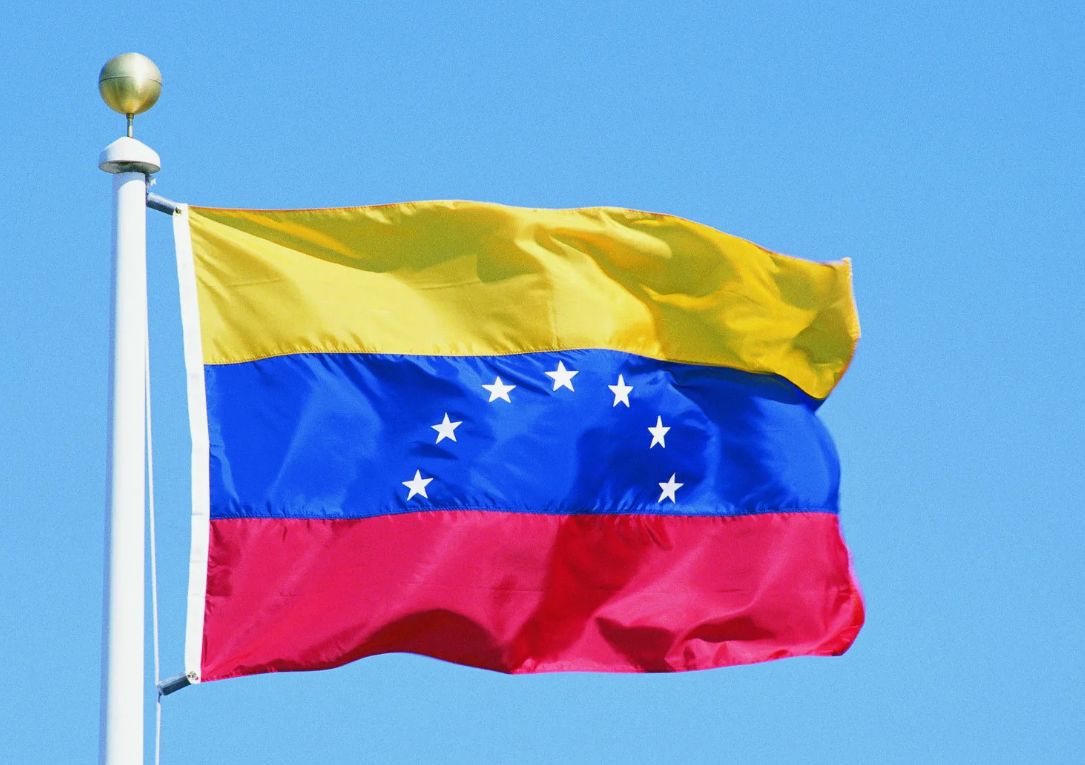
Venezuela's economy is undergoing a significant shift towards digital assets as hyperinflation and U.S. sanctions push citizens and businesses to seek stable alternatives. Cryptocurrencies, particularly stablecoins like USDT, are increasingly becoming the preferred medium for transactions, offering a hedge against the bolivar's rapid devaluation and a workaround for financial restrictions.
Key Takeaways
-
Hyperinflation, reaching 270% according to the IMF, is a primary driver for crypto adoption.
-
U.S. sanctions limit access to the U.S. dollar, encouraging alternative payment methods.
-
Major retailers are integrating crypto payments, with projections of 10% of transactions by 2026.
-
Stablecoins, especially USDT, are widely used, with prices often pegged to Binance P2P rates.
-
Local fintech companies are developing user-friendly crypto wallets and payment solutions.
The Rise of Digital Dollars
The Venezuelan bolivar has experienced severe devaluation, making it unreliable for daily transactions. This has led to a de facto dollarization, with the U.S. dollar's virtual counterpart, the stablecoin USDT, becoming the currency of choice. Prices in stores, services, and even utility bills are frequently set based on USDT's value on cryptocurrency exchanges like Binance. The P2P (peer-to-peer) market on Binance has become a crucial reference point for daily exchange rates, effectively acting as an unofficial central bank for many Venezuelans.
Practical Integration of Cryptocurrencies
Local fintech firms are actively developing solutions to facilitate crypto payments. These include specialized wallets that allow users to pay with digital assets even without dedicated terminals. The Tron network (TRC-20) is favored for its low transaction fees and speed, making USDT transfers efficient for everyday purchases. Retailers are adapting by displaying prices in USD, which are then converted to USDT at the point of sale. Customers can scan a seller's QR code to make instant payments with minimal fees.
Economic Drivers and Government Response
Monthly inflation rates have soared, and the bolivar has lost significant value over the past year, making business planning and personal budgeting in the national currency nearly impossible. To maintain stability and predictability, merchants have begun denominating prices in USDT. While the government has not officially legalized this widespread dollarization, it appears to be tolerating the use of cryptocurrencies as a means to maintain some level of economic equilibrium amidst sanctions and financial instability. Some banks are even offering custodial services for stablecoins and facilitating crypto sales in exchange for bolivars.
Venezuela Inflation Rate: IMF
The Future of Finance in Venezuela
Venezuela's experience highlights the adaptability of its population in the face of economic hardship. The increasing reliance on cryptocurrencies, particularly stablecoins, offers a potential path forward, providing a more stable store of value and medium of exchange than the depreciating national currency. This trend underscores a broader global movement towards digital finance, accelerated by unique national economic circumstances.
Comparison of Payment Methods in Venezuela
Criterion
Bolivar
Physical Dollar
USDT (Tron)
Value Stability
Extremely Low
High
Very High
Availability
High, but value negligible
Very Low
High
Transaction Speed
Bank dependent
N/A
Instant
Transaction Fees
Can be high
N/A
Extremely Low
Legality
Official Currency
Limited Legal
Unregulated
Sources
-
Hyperinflation in Venezuela has accelerated the country's shift to cryptocurrency, ForkLog.
-
Venezuelans trust cryptocurrency over their own government, Moneytimes.Ru.
This article was created with support from AI-driven technology, drawing on multiple reputable sources. The final content has been thoroughly reviewed and edited by BlockzHub's editorial team to ensure accuracy, clarity, and coherence. Original reporting sources are credited whenever appropriate and as required. The opinions expressed in this article do not necessarily represent the official views or positions of BlockzHub. This article is intended for informational purposes only and should not be considered financial or professional advice. Investing involves risk, and you should consult a qualified financial advisor before making any investment decisions.