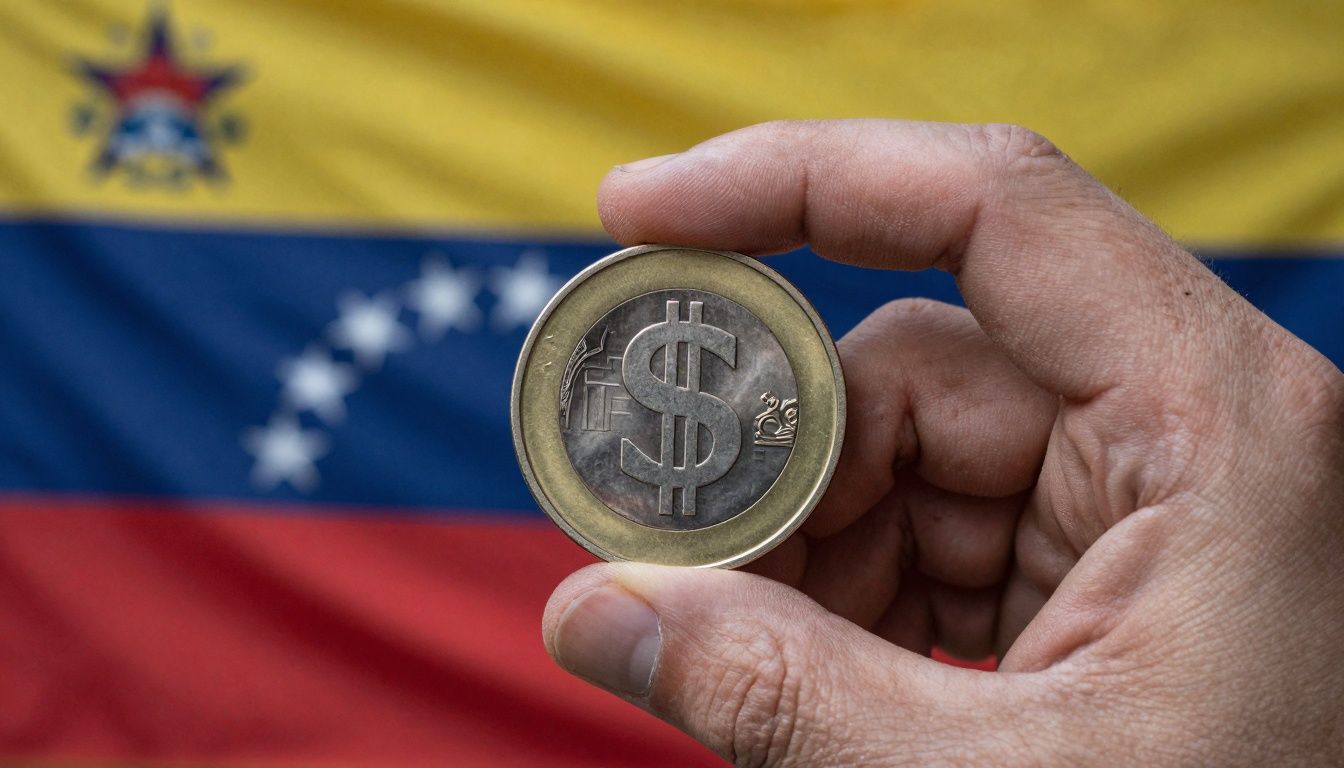
Stablecoin adoption in Venezuela is poised for significant growth as the nation grapples with deepening economic pressures and a continuously devaluing bolívar. A new report from blockchain intelligence firm TRM Labs indicates a growing reliance on digital assets for everyday financial activities, driven by eroding trust in traditional banking and regulatory uncertainty.
Key Takeaways
-
Venezuela's worsening economy and a weakening bolívar are driving wider stablecoin adoption, TRM Labs says.
-
Stablecoins are increasingly used for daily payments as trust in banks and regulation erodes.
-
Peer-to-peer platforms and USDT now function as substitutes for retail banking across the country.
Economic Strain Fuels Digital Asset Adoption
Venezuelans have endured nearly a decade of hyperinflation, sanctions, and limited access to reliable financial services. This challenging environment, amplified by geopolitical tensions, is pushing citizens towards stablecoins as both a store of value and a medium of exchange for routine transactions. TRM Labs anticipates further increases in stablecoin demand if macroeconomic instability persists.
Regulatory Uncertainty and Distrust in Banks
The effectiveness and enforcement capabilities of Venezuela's crypto regulator, SUNACRIP, remain subjects of uncertainty. Coupled with a lingering distrust in domestic banks, these factors compel many citizens to seek alternatives in blockchain-based solutions. TRM Labs suggests that without significant improvements in macroeconomic conditions or regulatory oversight, the role of digital assets, particularly stablecoins, will continue to expand.
Crypto Integration in Daily Life
Venezuela ranks 18th globally for crypto adoption, and ninth when adjusted for population size, highlighting its deep integration into daily life. Peer-to-peer (P2P) transactions have become a crucial financial tool, with over 38% of crypto-related site visits from Venezuelan IP addresses directed to a single global P2P trading platform. These platforms, along with USDT-to-fiat conversions, are filling the void left by unreliable domestic banking, even with occasional service disruptions.
Local platforms offering mobile wallets and bank integrations tailored for Venezuelan users are also gaining traction, facilitating informal settlement rails for daily commerce despite infrastructure challenges. TRM Labs frames Venezuela's crypto ecosystem as a response to necessity, with stablecoins like USDT underpinning payroll, remittances, vendor transactions, and cross-border purchases.
Broader Industry Trends
This trend aligns with broader industry movements. Western Union plans to launch a dollar-backed stablecoin on the Solana blockchain in early 2026, aiming for lower fees and faster global money transfers. Similarly, Visa has initiated a pilot program enabling direct payouts in Circle's USDC stablecoin for freelancers and gig workers, seeking to expedite cross-border payments and reduce reliance on traditional banking.
Sources
This article was created with support from AI-driven technology, drawing on multiple reputable sources. The final content has been thoroughly reviewed and edited by BlockzHub's editorial team to ensure accuracy, clarity, and coherence. Original reporting sources are credited whenever appropriate and as required. The opinions expressed in this article do not necessarily represent the official views or positions of BlockzHub. This article is intended for informational purposes only and should not be considered financial or professional advice. Investing involves risk, and you should consult a qualified financial advisor before making any investment decisions.