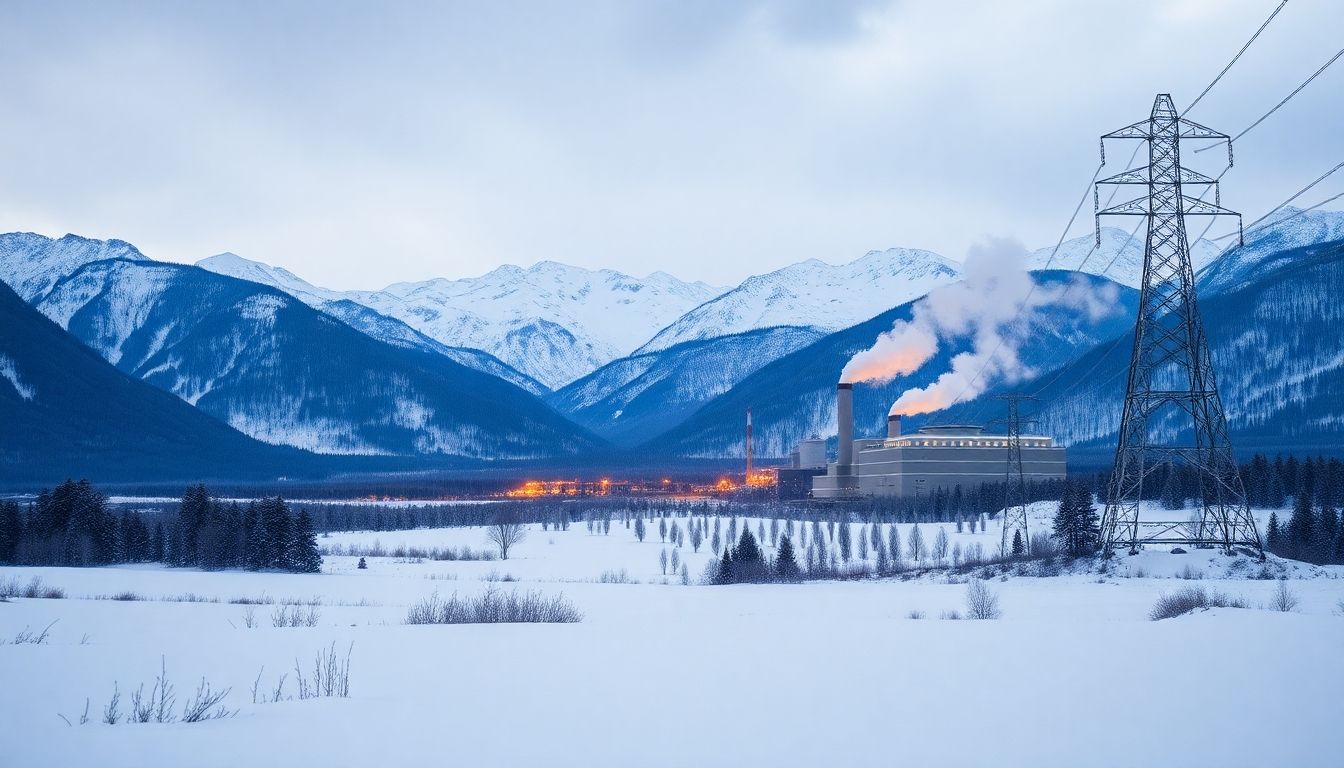
Recent restrictions on cryptocurrency mining in several regions of Russia have resulted in a significant decrease in energy consumption, with reports indicating a drop of approximately 300 megawatts (MW). This move, initiated by the Russian government, aims to alleviate pressure on the energy grid during peak winter months.
Key Takeaways
-
Energy consumption reduced by 300 MW due to mining restrictions.
-
The largest decrease of 320 MW occurred in Siberian regions, including Irkutsk, Buryatia, and Zabaykalsky Krai.
-
The ban helped avoid energy restrictions for residential and industrial consumers during winter.
-
Some regions, like the North Caucasus, saw a smaller reduction of about 50 MW.
-
The ban has raised concerns about illegal mining activities continuing in the shadows.
Overview of the Mining Ban
The ban on cryptocurrency mining, which took effect on January 1, 2025, was implemented in various regions of Russia, particularly in Siberia. The Ministry of Energy reported that this initiative has successfully reduced the load on the energy system, allowing the country to navigate through the winter season without imposing restrictions on residential and industrial energy consumers.
Impact on Energy Consumption
According to the Ministry of Energy, the most significant reduction in energy consumption was recorded in Siberia, where the total drop reached 320 MW. This reduction was crucial in managing the energy demands during the peak winter months, ensuring that the energy supply remained stable for households and businesses alike.
-
Regions Affected: The ban primarily impacted regions such as:
-
Irkutsk Oblast
-
Buryatia
-
Zabaykalsky Krai
-
In contrast, regions in the North Caucasus, where mining activities were also restricted, experienced a lesser impact, with a reduction of only about 50 MW.
Economic Consequences
While the ban has led to a decrease in energy consumption, it has also resulted in financial losses for energy companies. For instance, the acting director of the Irkutsk Electric Grid Company, Ilya Brilliantov, noted that the company faced a revenue shortfall of approximately 800 million rubles due to the suspension of mining activities. This highlights the economic trade-offs associated with the regulatory measures.
Concerns Over Illegal Mining
Despite the official ban, there are concerns that some mining operations may continue illegally. Sergey Bezdolov, director of the Association of Industrial Mining, pointed out that the prohibition in certain regions does not eliminate the activity entirely, as some miners may resort to underground operations to evade regulations. This ongoing issue raises questions about the effectiveness of the ban and the need for more robust enforcement measures.
Future of Mining Regulations
The Russian government has indicated that it will continue to monitor and regulate mining activities closely. Regular meetings will be held to discuss the implications of the ban and to explore potential adjustments to the regulations. Additionally, the Ministry of Energy plans to create a directory of mining equipment to better manage and oversee the industry.
In conclusion, while the ban on cryptocurrency mining has successfully reduced energy consumption in Russia, it has also sparked discussions about the economic impact on energy providers and the potential for illegal mining activities to persist. The government’s ongoing efforts to regulate this sector will be crucial in shaping the future of cryptocurrency mining in the country.
Sources
-
Mining ban in Russia reduces energy consumption by 300 MW, ForkLog.
-
Mining restrictions reduce load on power grid by 300 MW, cryptos.tv.
-
Mining restrictions reduce consumption by 300 MW, Happy Coin News.
-
Mining ban reduces load on Siberian power grid by 300 MW, Информационное агентство Хакасия.
-
Mining ban reduces load on Siberian power grid by 300 MW, Hash Telegraph.
This article was created with support from AI-driven technology, drawing on multiple reputable sources. The final content has been thoroughly reviewed and edited by BlockzHub's editorial team to ensure accuracy, clarity, and coherence. Original reporting sources are credited whenever appropriate and as required. The opinions expressed in this article do not necessarily represent the official views or positions of BlockzHub. This article is intended for informational purposes only and should not be considered financial or professional advice. Investing involves risk, and you should consult a qualified financial advisor before making any investment decisions.